
Mastering the Art of Sports Broadcasting: Essential Techniques and Strategies
Understanding Sports Broadcasting
What is Sports Broadcasting?
Sports Broadcasting is the live transmission of sporting events to audiences through various platforms such as television, radio, and digital media. This practice allows fans worldwide to experience their favorite sports in real-time, enhancing the excitement and engagement that comes with live events. With the rapid evolution of technology, Sports Broadcasting has become more interactive, catering to diverse audience preferences.
Historical Evolution of Sports Broadcasting
The history of Sports Broadcasting can be traced back to the early 20th century when radio broadcasts brought live sports events directly into listeners’ homes. The first-ever sports broadcast took place in 1921, covering a boxing match. As television technology emerged in the 1950s, the paradigm shifted again, allowing viewers to witness events visually. The introduction of color broadcasting in the 1960s further enhanced viewer experience. With the arrival of satellite communication in the 1970s, sports broadcasting expanded globally, providing audiences with access to international events. The late 20th and early 21st centuries saw the rise of cable networks and, later, online streaming platforms, revolutionizing how sports are consumed.
The Role of Technology in Sports Broadcasting
Technology plays a crucial role in Sports Broadcasting, impacting everything from production to viewer engagement. Advanced camera systems, such as 4K and 8K technology, enable high-definition viewing that immerses audiences. Additionally, graphic overlays and augmented reality (AR) tools enhance storytelling by providing real-time statistics and insights. Live streaming services have democratized the medium, allowing smaller networks and independent creators to broadcast events. Social media integration has also become pivotal, as viewers seek real-time interactions and updates during games.
Key Components of Sports Broadcasting
Studio Setup and Equipment
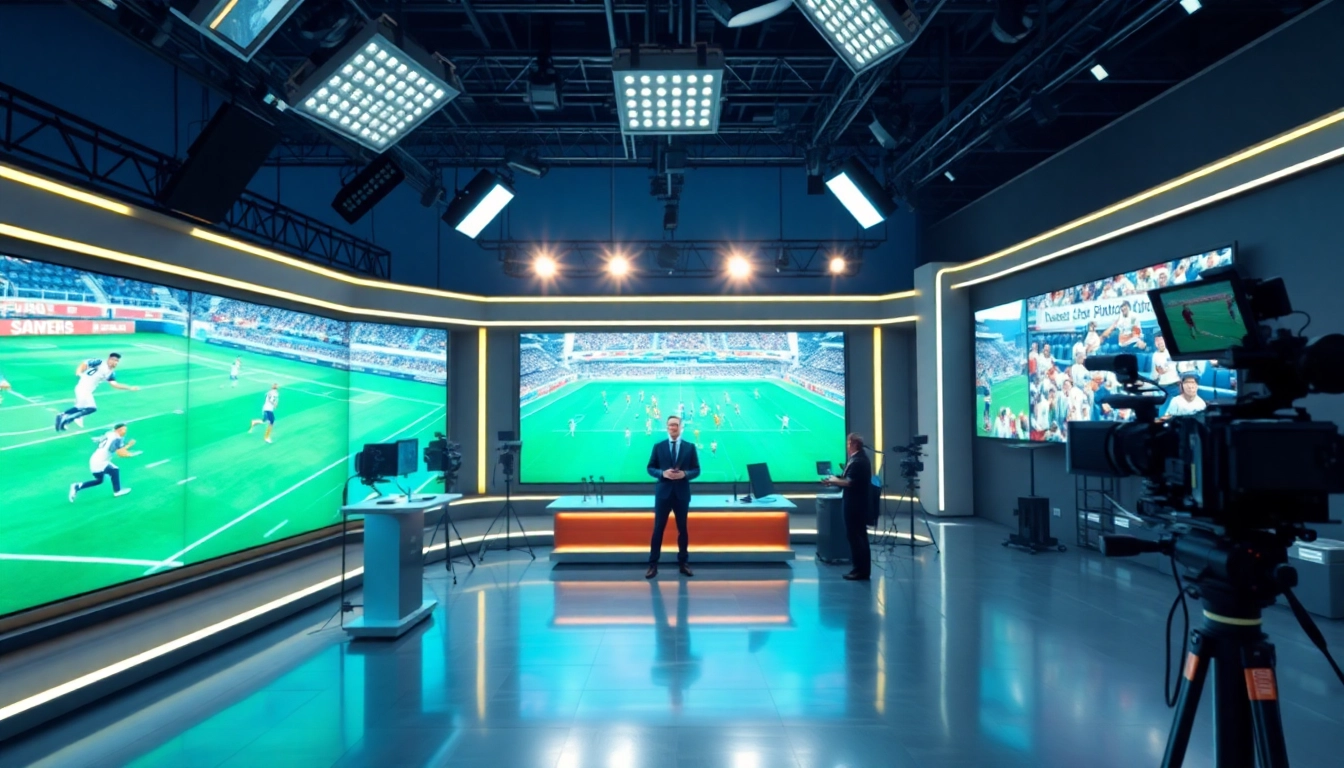
A well-organized studio setup is essential for effective Sports Broadcasting. Studios need high-quality cameras, professional lighting, and sound equipment to ensure clarity in both audio and visuals. Multi-camera setups allow for dynamic angles and shots, adding depth to the viewing experience. Equipment such as teleprompters aids presenters in delivering smooth commentary, while graphics generators offer visually appealing data to engage the audience.
Broadcasting Software and Tools
Broadcasting software and tools are vital for managing both pre-production and live broadcasts. Software like OBS (Open Broadcaster Software) and vMix provide broadcasters with the ability to mix different video sources, insert graphics, and manage audio in real-time. Moreover, editing software is crucial for post-production, allowing highlights to be compiled and distributed quickly. Familiarity with these tools is essential for professionals in the industry to streamline the broadcasting process and ensure high quality.
Understanding Broadcasting Rights
Broadcasting rights pertain to the legal agreements that grant networks the permission to air specific sporting events. These rights vary based on geographic locations and exclusivity deals, which can be highly lucrative. Understanding the complexities of these contracts is key for broadcasters, as they navigate ownership rights, revenue-sharing models, and viewer access. Negotiations for these rights often involve significant financial implications, making it a strategic element in Sports Broadcasting.
Techniques for Effective Sports Broadcasting
Engaging Storytelling Techniques
Storytelling is at the heart of effective Sports Broadcasting. Broadcasters should weave narratives that captivate audiences, providing context and background to enhance the viewing experience. This can include player profiles, historical match stats, and storyline developments throughout a season. Engaging storytelling can transform a simple game broadcast into a compelling experience that keeps viewers invested beyond the score.
Building a Connection with the Audience
Creating a personal connection with the audience is imperative for successful broadcasting. Broadcasters can achieve this by incorporating viewer feedback, engaging with fans through social media, and using relatable language. Personal anecdotes and emotional resonance also contribute to building rapport with the audience, making them feel part of the live experience.
Commentary and Analysis Best Practices
Quality commentary and analysis are essential for enhancing the broadcast experience. Best practices include delivering insights with clarity, maintaining an objective stance, and balancing technical explanations with engaging storytelling. Broadcasters should also adapt their delivery to suit the tone of the event, whether it is a tense match or a celebratory atmosphere. Incorporating expert analysts can enrich the commentary by providing deeper insights, increasing viewer understanding of the sport.
Challenges in Sports Broadcasting
Handling Live Events and Unexpected Situations
Live broadcasting often entails handling unforeseen circumstances, from technical difficulties to unexpected incidents during games. Broadcasters must remain calm and composed, employing backup systems and protocols to mitigate these challenges. Training in crisis management and improvisational skills is essential for on-air talent and crew members to adapt to evolving situations seamlessly.
Keeping Up with Audience Expectations
With the influx of high-quality content available online, meeting audience expectations in Sports Broadcasting is increasingly demanding. Viewers seek interactive experiences, immediate updates, and in-depth analysis. Broadcasters must constantly innovate, leveraging technology to provide enhanced features such as interactive graphics, real-time statistics, and engaging social media integration to retain viewer interest and loyalty.
Navigating Legal and Ethical Issues
Legal and ethical concerns in Sports Broadcasting include copyright laws, intellectual property rights, and maintaining journalistic integrity. Broadcasters need to stay informed about legal regulations concerning content usage, especially with the rise of user-generated content. Ethical practices also encompass delivering honest and fair coverage, avoiding bias, and ensuring that all segments uphold the integrity of the sport and its athletes.
Future Trends in Sports Broadcasting
Impact of Streaming Services on Sports Broadcasting
The growth of streaming services has significantly altered the Sports Broadcasting landscape. Fans now have the opportunity to subscribe to niche platforms tailored to specific sports or leagues, creating a more personalized viewing experience. This shift has prompted traditional broadcasters to adapt their strategies, often integrating streaming capabilities and exploring partnerships with online platforms to cater to evolving viewer preferences.
Augmented Reality and Virtual Reality in Sports
Augmented Reality (AR) and Virtual Reality (VR) technologies are paving the way for immersive viewing experiences in Sports Broadcasting. AR allows broadcasters to overlay graphics and statistics on the live feed, enriching the audience’s comprehension of the game. VR, meanwhile, offers the possibility of virtual attendance, allowing fans to “sit” in stadiums from their homes, providing an unprecedented level of interactivity and engagement.
Globalization and its Effects on Broadcasting
The globalization of sports has expanded viewership opportunities and necessitated cross-cultural broadcasting strategies. Broadcasters must navigate language barriers and cultural nuances, often offering multiple language feeds or localized content. This phenomenon not only increases revenue potential but also poses logistical challenges, requiring broadcasters to deliver consistent quality across diverse markets.
FAQs
What is Sports Broadcasting? Sports Broadcasting refers to the live transmission of sports events through television, radio, and online platforms, engaging viewers globally.
How has technology changed Sports Broadcasting? Technologies like HD streaming, mobile apps, and social media have transformed how sports are consumed, making access easier and more interactive.
What equipment is essential for Sports Broadcasting? Key equipment includes cameras, microphones, mixing consoles, and graphics generators to ensure high-quality broadcasts.
How do Sports Broadcasting rights work? Broadcasting rights involve contracts allowing networks to air specific sporting events, often based on geographic location and exclusivity.
What are some future trends in Sports Broadcasting? Future trends include increased use of streaming services, integration of AR/VR technologies, and enhancing viewer engagement through interactive features.
